
So, you’ve got a remote team. The big question isn’t if remote work is here to stay—it is—but how to keep your people connected, motivated, and genuinely bought-in when you’re not sharing the same physical space. Forget trying to replicate the old office routines online. That’s a losing game. The real win comes from building something new, something better suited for a distributed team.
It all boils down to three things: being intentional with your communication, using technology to build real connections, and fostering a culture that runs on trust, not surveillance.
The Reality of Remote Employee Engagement

The shift to remote work wasn’t just a temporary fix; it’s now a core part of how modern companies operate. What started as a short-term solution has become a long-term reality, and with it comes the challenge of keeping everyone on the same page and feeling like part of the team.
Let’s be honest, the old management playbook doesn’t work anymore. You can’t rely on spontaneous office chats or hallway catch-ups to gauge morale or build rapport. This guide is all about practical, real-world strategies for leading a team you don’t see every day. It’s not about tracking keystrokes or forcing another awkward virtual happy hour. It’s about fundamentally rethinking how we build relationships and define success in a remote-first world.
Why Engagement Is Different in a Remote World
The fundamentals of what makes an employee feel engaged haven’t changed. People still need to feel valued, see a future for themselves, and connect with the company’s mission. What has changed is how we deliver on those needs.
Without the casual, in-person interactions that naturally build team bonds, managers have to be much more deliberate. This new way of working is what people want, and the numbers don’t lie. Since 2020, the preference for remote work has only grown stronger. A recent study found that a staggering 91% of employees worldwide now prefer to work fully or almost completely remotely. If you want to dig deeper into the data, these remote work trends from Splashtop are pretty eye-opening.
The biggest mistake leaders make is trying to replicate the in-office experience online. True remote engagement comes from embracing the unique advantages of distributed work, such as increased autonomy and trust, not from scheduling more Zoom happy hours.
The Three Pillars of a Successful Strategy
To really nail remote culture, you need a solid framework. We’re going to break down how to build one, and we’ll even get into how modern tools like animated video and interactive content can supercharge your efforts.
Before we jump into the specific tactics, let’s get a high-level view of the foundational principles that make it all work. These three pillars are the bedrock of any successful remote engagement strategy.
Three Core Pillars of Remote Employee Engagement
| Pillar | Key Action | Impact on Engagement |
|---|---|---|
| Intentional Communication | Establish clear guidelines and create predictable communication rhythms. | Reduces anxiety and confusion, builds psychological safety, and ensures everyone feels heard and informed. |
| Connection-Focused Technology | Use tools to foster genuine human interaction, not just manage tasks. | Prevents feelings of isolation, strengthens team bonds, and makes work feel more collaborative and less transactional. |
| A Culture of Trust | Shift focus from monitoring activity to celebrating outcomes and empowering autonomy. | Boosts morale and motivation, encourages ownership and innovation, and attracts and retains top talent. |
Think of these pillars as your guideposts. Every initiative, tool, or process you introduce should support at least one of these areas. When you get this foundation right, you create an environment where people don’t just work remotely—they thrive.
Create a Culture of Intentional Communication

When your team is remote, communication doesn’t just happen. It has to be designed. You lose all those spontaneous “water cooler” moments and hallway chats that naturally build bridges in an office. This means you have to get deliberate about keeping everyone plugged in and on the same page.
Forget vague advice like “communicate more.” The real win is creating a clear, predictable rhythm for how your team connects.
This all starts with a team communication charter. No, this isn’t some stuffy corporate policy. It’s a simple, living guide that answers one critical question: “Which tool should I use for what?” By defining the purpose of each channel, you slash the digital noise and confusion for everyone.
For example, your charter might break down like this:
- Slack: The spot for quick, real-time questions and casual team banter.
- Email: Reserved for official announcements, talking with clients, and formal project updates.
- Video Calls: For deep-dive collaboration, 1-on-1s, and untangling complex problems together.
This kind of clarity stops urgent project questions from getting buried in an email inbox and keeps non-critical updates from derailing deep work with endless Slack pings.
Make Virtual Meetings Worth Attending
Let’s be honest: nothing kills morale faster than a pointless virtual meeting. If you want meetings to be a source of energy, not frustration, you need structure. Period.
Always send a clear agenda beforehand so people can actually come prepared. During the call, use interactive tools to keep everyone leaning in. Simple things like live polls, a dedicated Q&A feature, or a virtual whiteboard for brainstorming can turn a passive listening session into a dynamic collaboration.
A recent study found that when employees feel they can count on their colleagues to cooperate, they are 8.2 times more likely to give extra effort. Well-run meetings are where you build that spirit of cooperation, one call at a time.
A meeting’s goal isn’t just to dump information—it’s to create shared understanding and human connection. If your meeting could have been an email (or better yet, a short animated video), it probably should have been.
Building a Foundation of Psychological Safety
The absolute cornerstone of intentional communication is psychological safety. It’s the shared belief that it’s okay to take interpersonal risks—to speak up, ask a “dumb” question, or float a half-baked idea without fear of being shut down.
In a remote world, where you can’t read body language, leaders have to be extra deliberate in creating this safe space.
Managers can lead the way by:
- Modeling vulnerability: Admitting when they don’t know the answer or made a mistake.
- Actively inviting input: Specifically asking quieter team members for their take.
- Responding with respect: Thanking people for their contributions, even when disagreeing.
For big internal announcements or tricky policy changes that might stir up anxiety, clear and engaging visuals are your best friend. They ensure the message lands exactly as intended. You can even find professional video templates for internal communication that help you deliver these updates with consistency and empathy.
When your team truly believes their voices are valued, you unlock a level of engagement and innovation that will power a thriving remote culture.
Don’t Just Collaborate—Use Technology to Connect
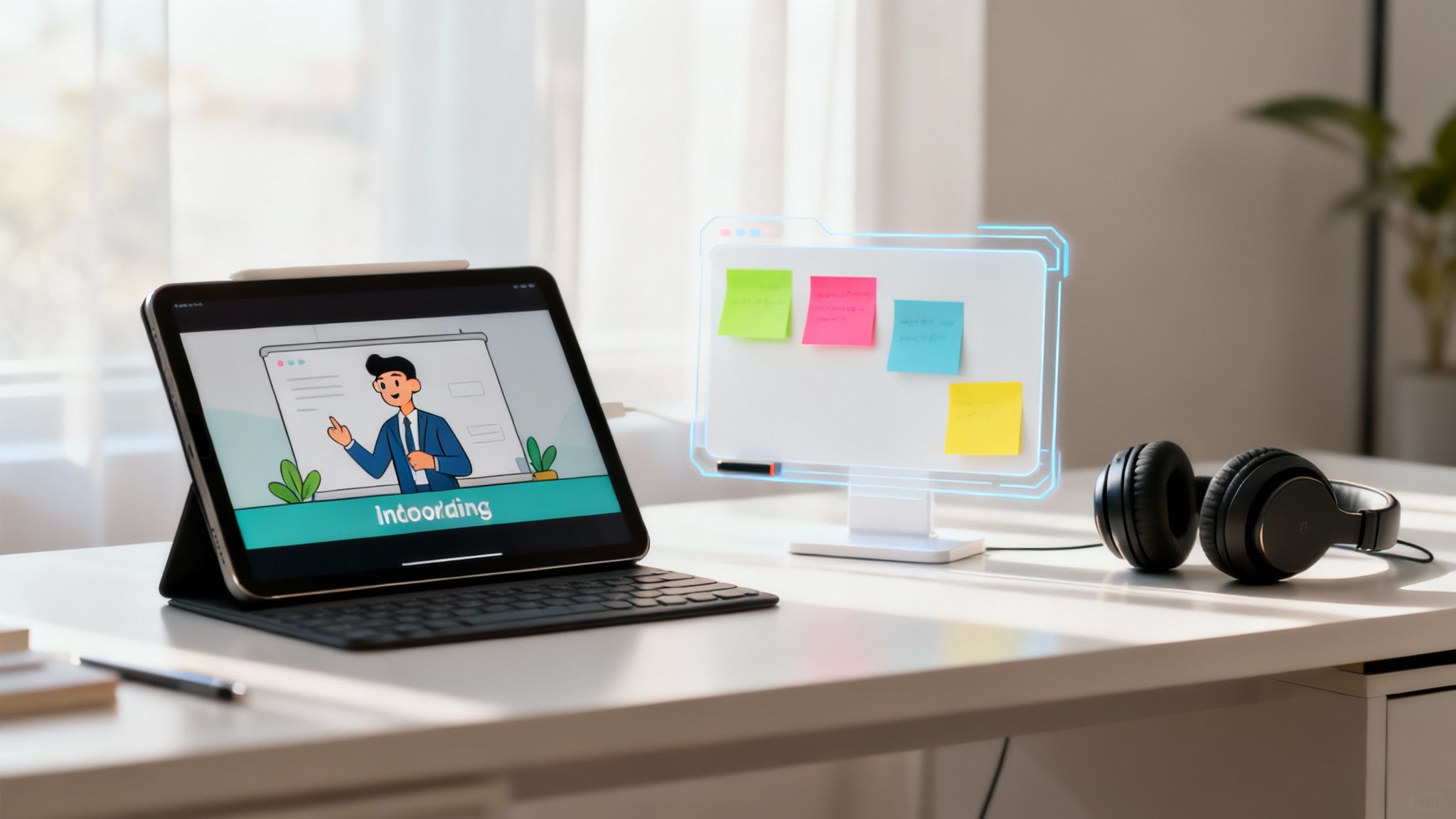
The tools your remote team uses every day are for more than just managing projects and hitting deadlines. When you’re intentional about it, technology becomes the bridge that closes the physical distance, turning a group of individuals into a genuinely cohesive team.
It’s easy to get stuck using your tech stack as a digital filing cabinet or a glorified to-do list. But the most engaged remote teams I’ve seen use their tools to replicate the creative energy and spontaneous chats that happen naturally in an office. This shift in mindset is the secret to keeping your people motivated.
And the data backs this up. It turns out remote employees can be more engaged than their in-office colleagues when the right conditions are met. A Gallup report found that 29% of fully remote workers feel engaged, compared to just 20% of those working on-site. The right strategy makes all the difference.
Bring Clarity and Personality with Animated Video
Think about the last dense, text-heavy email you got about a new company policy. How much of it did you actually remember an hour later? Now, imagine that same info delivered in a quick, two-minute animated video.
Animated video is a game-changer for internal communications. It breaks down complex ideas and adds a much-needed human touch. It’s perfect for things like:
- Onboarding new hires: Introduce them to the company culture and put faces to names in a dynamic, welcoming way.
- Explaining big changes: A visual walkthrough of a new software rollout or benefits update is so much easier to follow.
- Celebrating wins: A vibrant, energetic video shouting out team achievements feels way more personal than a standard email.
You don’t need a Hollywood budget, either. Check out our guide on https://wideo.co/blog/how-to-use-video-to-communicate-with-teams-while-working-remotely/ for some simple, actionable tips to get started. It’s about making sure critical information is not only received but actually sticks.
Make Virtual Collaboration Fun and Interactive
Video is just the start. Other tools can inject some real energy into your team’s day-to-day workflow.
Instead of another boring meeting where one person shares their screen, try a virtual whiteboard. Tools like Miro or Mural let everyone throw ideas around with digital sticky notes in real-time. It creates a shared sense of ownership and gets the creative juices flowing for the whole team.
Gamified training platforms are another great example. They can transform mandatory learning from a chore into a fun challenge. By turning modules into quizzes with leaderboards and badges, you tap into a healthy sense of competition that makes the whole process more enjoyable.
The best remote work technology doesn’t try to replace human interaction; it creates new avenues for it. The right tool should feel less like a mandatory process and more like a shared space for creativity and connection.
Ultimately, it comes down to being intentional with your tech. Look for the top remote work productivity tools that fit your team’s unique needs and personality. When you give your team tools that foster genuine interaction, you’re not just managing tasks—you’re building a thriving virtual workplace.
Build a Remote Culture of Trust and Recognition
In a remote setting, you can’t build culture with foosball tables or free snacks. It’s forged from the things you can’t see—trust, autonomy, and genuine appreciation. A strong remote culture is the invisible glue holding your team together, making everyone feel seen, valued, and connected to the mission.
The first and most important step is to ditch the supervision mindset and embrace trust. Remote work thrives on autonomy, not micromanagement. Forget about monitoring online status indicators or tracking keystrokes and focus entirely on outcomes. When you give your team the freedom to manage their own time, you’re not just giving them flexibility; you’re showing you trust them to deliver. That alone does wonders for morale and ownership.
Make Recognition a Deliberate Practice
Back in the office, a simple “great job” in the hallway could make someone’s day. That casual recognition vanishes when you’re remote, which means you have to create it intentionally. A structured recognition program is your best tool for making sure people know their contributions actually matter.
This doesn’t need to be some complex, bureaucratic system. Just start with simple, consistent actions:
- Create a Peer-to-Peer Channel: Set up a dedicated Slack or Teams channel where anyone can give a public shoutout to a colleague for their hard work, help, or a job well done.
- Formalize Monthly Awards: Establish a simple “Employee of the Month” or “Value Champion” award. Announce it in a team meeting or a company-wide email to give it some weight.
- Use Visuals to Celebrate: An energetic, animated video celebrating the winner feels so much more significant than a plain text announcement. You’ll find that using video for human resources helps make these moments truly memorable and shareable.
The goal of recognition isn’t just to reward high performers; it’s to reinforce the specific behaviors and values you want to see across the entire team. Each shoutout becomes a small lesson in what success looks like at your company.
Show Them a Path Forward
Recognition keeps your team motivated today, but clear growth opportunities keep them invested for the long haul. It’s easy for remote employees to feel disconnected from career advancement discussions, wondering if their contributions are visible enough to earn a promotion. You have to build and communicate clear career paths specifically for your distributed team.
A two-year study found something powerful: when employees feel they can rely on their colleagues, they are 8.2 times more likely to give extra effort, regardless of location. That sense of shared purpose is fueled when people see a future for themselves at the company. You can read more about how cooperation drives productivity in remote settings.
Make a point to schedule regular, dedicated career development conversations. Work with each person to set clear, measurable goals that align with both their personal aspirations and the company’s needs. When your team sees a tangible path to growth, they don’t just feel like they have a remote job—they feel like they have a career.
Prioritize Wellbeing to Prevent Remote Burnout

When home is also the office, the workday doesn’t just end when you close your laptop—it lingers. The lines between professional duties and personal life get blurry, fast, creating the perfect storm for burnout.
Proactive leadership is your best defense. Weaving wellbeing into the core of your remote engagement strategy isn’t just nice; it’s necessary.
It all starts with setting clear boundaries from the top down. Managers have to establish and respect expectations around working hours. That means no late-night Slack messages or weekend email threads unless it’s a true, hair-on-fire emergency. When leaders model healthy boundaries, they give their teams permission to do the same.
Build a Culture That Values Rest
Actively encouraging your team to disconnect is one of the most powerful things you can do. A culture that’s constantly “on” leads straight to exhaustion and, you guessed it, disengagement. Think about implementing practical initiatives that give people their time back.
Some simple but impactful ideas I’ve seen work well include:
- No-Meeting Fridays: Dedicate one day a week to deep, uninterrupted work. This frees up so much mental space and seriously cuts down on meeting fatigue.
- Mandatory Vacation Time: Gently nudge employees to use all their paid time off. A simple reminder from a manager can make a huge difference in stopping people from hoarding their vacation days.
- Mental Health Resources: Don’t just offer an Employee Assistance Program (EAP) and tick a box. Actively promote it. Share resources in newsletters and team meetings to normalize reaching out for support.
A burnt-out employee cannot be an engaged one. Investing in your team’s wellbeing isn’t a perk; it’s a fundamental requirement for building a sustainable and productive remote workforce. Taking care of your people is the best way to ensure they can take care of their work.
Proactive Leadership Makes the Difference
Just listing benefits in a handbook isn’t enough. Leaders have to show they’re genuinely committed to their team’s health.
This means checking in on workloads during one-on-ones and asking direct questions. Try things like, “Are you feeling overwhelmed?” or “Do you feel like you’re able to disconnect at the end of the day?”
These conversations show you care about them as people, not just as cogs in a machine. When employees feel genuinely supported, their loyalty and engagement follow naturally.
Ultimately, recognizing that a healthy team is a motivated team is the key to long-term remote success. A proactive approach to wellbeing is non-negotiable for keeping your remote staff connected and thriving.
Still Have Questions About Engaging Remote Teams?
Even with a solid game plan, managing a distributed team always throws a few curveballs. Knowing how to engage remote employees often comes down to having the right answers for those tricky, real-world situations. Let’s tackle some of the most common questions that pop up.
How Do You Actually Measure Remote Employee Engagement?
You can’t just walk around the office and get a “vibe check” anymore. Measuring engagement from a distance requires a smarter mix of data and genuine conversation. This isn’t about a single, massive annual survey—it’s about creating a constant feedback loop.
A great place to start is with short, regular pulse surveys. These give you a consistent read on how the team is feeling. Ask pointed questions about things like workload, their sense of connection to colleagues, and whether expectations are clear. These quick check-ins build a super valuable picture over time.
Beyond surveys, keep an eye on a few practical metrics:
- Voluntary turnover rates: Are your best people sticking around? That’s a huge indicator.
- Productivity levels: Is the team consistently hitting its goals without burning out?
- Participation in optional events: Are people actually choosing to show up and connect?
But numbers only get you halfway there. The most critical piece of the puzzle is the one-on-one check-in. This is your chance to ask direct, human questions about their well-being and get the kind of honest feedback that data will never give you.
What Are Some Virtual Team-Building Activities That Don’t Feel Cheesy?
Let’s be honest: nobody wants another awkward virtual happy hour. The best team-building activities are the ones that spark real interaction and collaboration, not just forced small talk.
Think about creating shared experiences. Virtual escape rooms are fantastic because they force everyone to problem-solve together under a bit of pressure. Online trivia games, especially if they’re themed around your industry or inside jokes, can ignite some friendly competition.
The goal of virtual team-building isn’t to replicate office parties online. It’s about creating new, shared memories that strengthen bonds—whether it’s through cracking a tough puzzle together, some lighthearted competition, or just learning something new about each other.
Another simple but powerful idea is a “show and tell” where team members share a personal hobby or passion. It’s a low-pressure way to see your colleagues as more than just a name on a screen. For that day-to-day connection, a dedicated “watercooler” channel in Slack for non-work chat—pets, movies, weekend plans—is an absolute must.
How Can I Make Sure New Remote Hires Feel Included?
The onboarding period is make-or-break for a new remote hire. If you get it wrong, they can feel like an outsider from day one. A highly structured and thoughtful process is completely non-negotiable here.
Use animated videos to bring your company culture to life and introduce key team members and core values. It’s worlds more engaging than sending them a mountain of PDFs. Also, assign them an onboarding “buddy”—a peer who can answer all the small, informal questions they might feel weird asking their manager.
Make sure to schedule a series of introductory one-on-ones with people from different departments. This helps them start building their own internal network right away. Finally, give them a clear 30-60-90 day plan. It shows them exactly what’s expected and lets them score some early wins, which does wonders for their confidence and sense of belonging.
Ready to make your internal communications more engaging and effective? With Wideo, you can create professional animated videos in minutes to onboard new hires, celebrate team wins, and explain complex changes. Start creating for free today on wideo.co.